

Storm Damage Roofing
After hail, wind, or heavy rain, roof damage is not always obvious from the ground. A few missing shingles may be easy to spot, but bruised shingles, lifted seals, damaged flashing, dented vents, and gutter damage can be missed without a proper roof inspection.
Love Roof Co. helps Indianapolis homeowners inspect storm-damaged roofs, document visible damage, and understand the next step before leaks or insurance confusion make the situation harder.
Storm Damage Roofing In Indianapolis, IN
Storm damage can show up in different ways depending on the age of the roof, the type of shingles, the storm direction, the roof slope, and what parts of the home were exposed.
A roof may need a simple repair, temporary protection, a full replacement, or documentation for an insurance-related review. Love Roof Co. starts with the inspection so homeowners are not left filing claims blindly, ignoring real damage, or paying for repairs that do not solve the full problem.
Storm Damage We Look For
Hail Damage
Hail can bruise shingles, knock away protective granules, damage vents, dent gutters, and weaken parts of the roof system. The damage may not leak immediately, but it can shorten the life of the roof.
Wind Damage
Wind can lift shingles, break seals, crease tabs, remove ridge caps, expose underlayment, or open areas where water can get underneath the roof covering.
Heavy Rain Damage
Heavy rain can expose weak flashing, clogged drainage, valley issues, roof edge problems, skylight leaks, and areas where water is backing up instead of draining properly.
Fallen Debris
Tree limbs and storm debris can puncture shingles, damage decking, tear flashing, or create openings that need temporary protection.
Signs Your Roof May Have Storm Damage
Schedule a storm damage roof inspection if you notice:
- Shingles missing after wind
- Hail dents on gutters, vents, or downspouts
- Granules collecting near the ground or gutter outlets
- New roof leaks after a storm
- Water stains on ceilings or walls
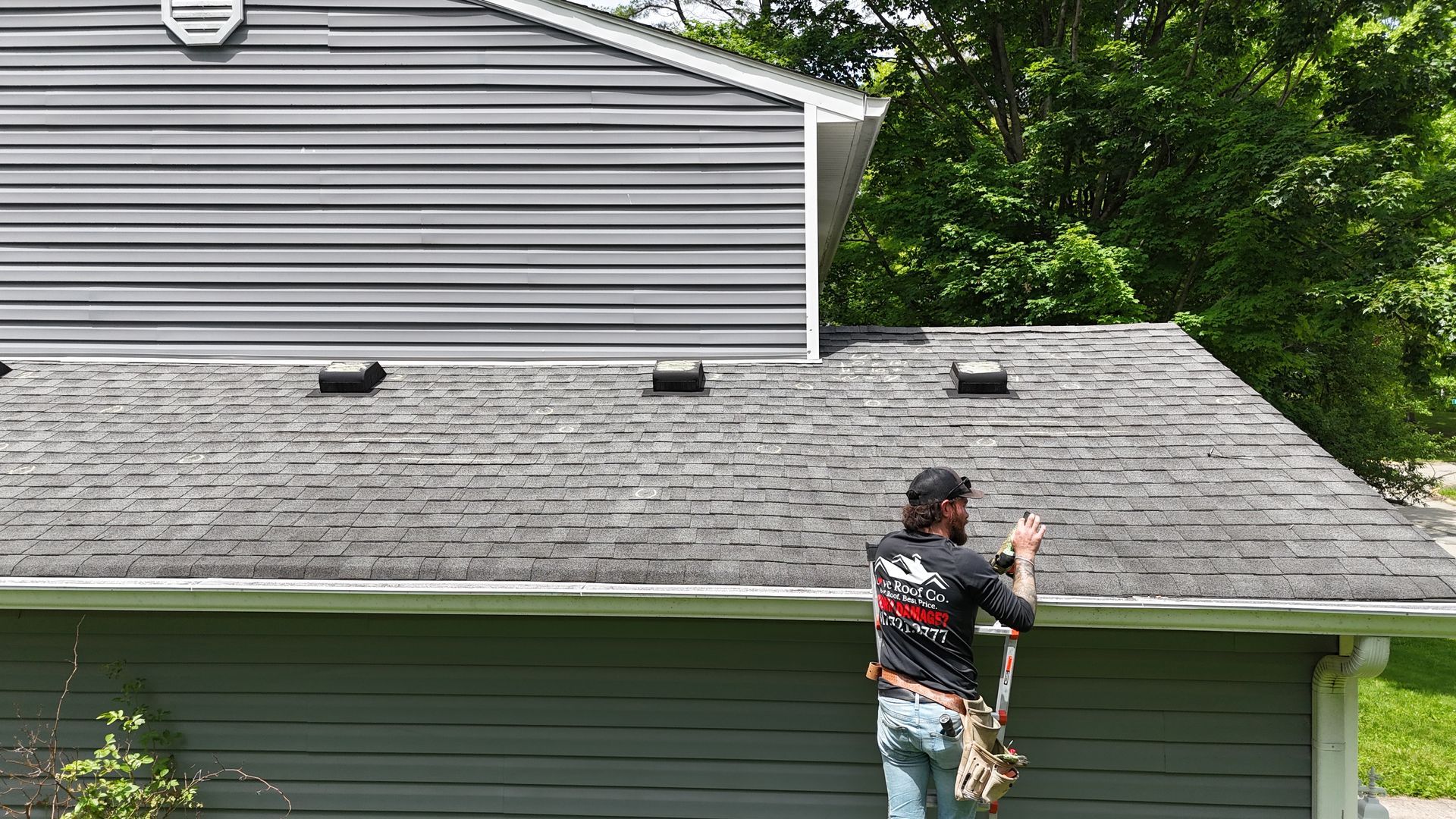
- Lifted or creased shingles
- Damage to siding, windows, or soft metals
- Tree limbs or debris on the roof
- A neighbor’s roof being approved for storm damage
- A roof that looks different after severe weather
The safest answer is not guessing from the yard. It is having the roof inspected.
Storm Damage Inspections and Documentation
Insurance-related roofing work depends heavily on documentation. Love Roof Co. inspects the roof and related exterior components, takes photos of visible damage, and explains what the damage may mean for the homeowner.
This does not mean every storm inspection becomes a claim. Sometimes the right answer is a repair. Sometimes the roof is still performing. Sometimes the damage is widespread enough that the homeowner should review options with their insurance carrier.
Our role is to help you understand what is actually on the roof before you make that decision.
Emergency Tarping and Temporary Roof Protection
If storm damage creates an active leak or opening in the roof, temporary protection may be needed before permanent work can be completed. Love Roof Co. may provide tarping, minor temporary protection, and urgent water intrusion support depending on weather, timing, and crew availability.
Priority service may involve an additional fee, especially during active weather or after-hours situations. The process should stay transparent before work begins.
Storm Damage Roof Repair vs. Roof Replacement

Repair May Make Sense When
- Damage is limited to one area
- The roof is otherwise in good condition
- Shingles can be matched properly
- The leak source is isolated
- The roof is not near the end of its service life
Replacement May Make Sense When
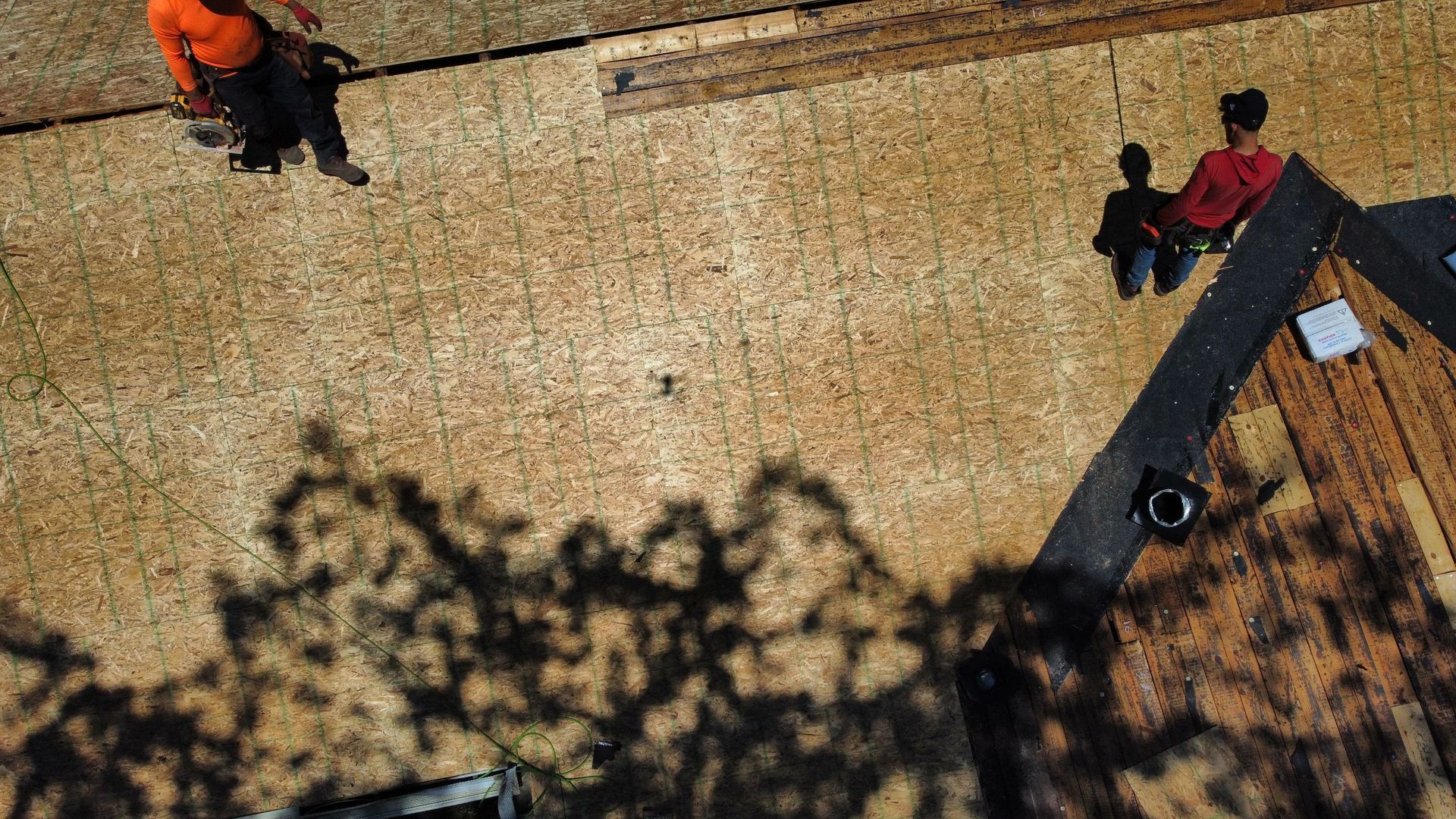
- Hail or wind damage affects multiple slopes
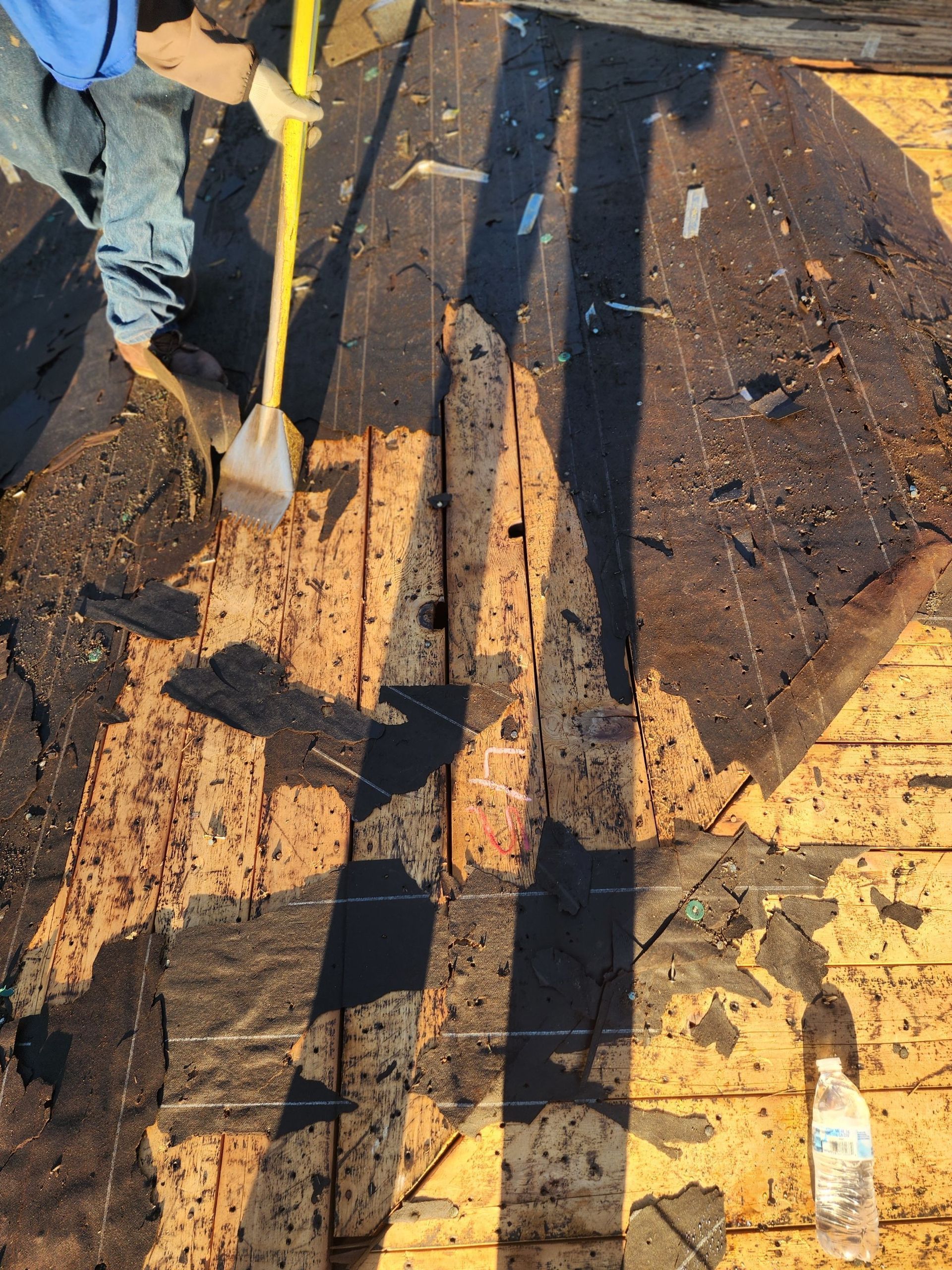
- Shingles are brittle, lifted, or heavily worn
- The roof has repeated leaks after storms
- Decking or underlayment has been compromised
- The roof damage is tied to an insurance-approved scope
Love Roof Co. helps homeowners understand the difference so they do not pay for a temporary fix when the roof needs broader work.
What to Expect During the Storm Damage Process
Review Visible Damage
You receive a clear explanation of what we found and where the concerns are located.
Document the Roof Condition
Photos and notes help clarify what damage is visible and what areas may need attention.
Have Your Roof Inspected Before Damage Spreads
Storm damage can worsen with the next round of rain or wind. If your neighborhood was hit by hail, high winds, or heavy rain, schedule an inspection and get a clear answer.
Frequently Asked Questions
Should I get my roof inspected after hail?
Yes. Hail damage can be difficult to see from the ground and may not leak right away. An inspection helps identify bruised shingles, granule loss, dented vents, and related exterior damage.
Can wind damage a roof without removing shingles?
Yes. Wind can lift shingles, weaken seals, crease shingle tabs, and create openings that may not be obvious from the ground.
Do I need to file an insurance claim right away?
Start with an inspection. If damage appears storm-related, documentation can help you understand whether insurance review may be appropriate.
Do you provide emergency tarping?
Emergency tarping may be available when a storm creates an active leak or roof opening.
Can storm damage lead to a full roof replacement?
Yes, if the damage is widespread or the roof system cannot be properly repaired. The inspection helps determine whether repair or replacement makes sense.