
Commercial Roof Replacement
When a commercial roof reaches the point where repairs are no longer solving the problem, replacement may be the better long-term decision. A failing commercial roof can lead to interior damage, tenant complaints, inventory loss, insulation saturation, and repeated service calls.
Love Roof Co. provides commercial roof replacement in Indianapolis and Central Indiana for aging, leaking, storm-damaged, and failing roof systems.
When Commercial Replacement Makes More Sense Than More Repairs In Indianapolis, IN
Commercial roof repairs are useful when damage is isolated and the rest of the system is still performing. Replacement becomes more practical when leaks keep returning, the membrane is worn across large areas, insulation is saturated, seams are failing, drainage problems are widespread, or storm damage affects the roof beyond one repair area.
Love Roof Co. inspects the roof system before recommending replacement. We look at the membrane, seams, flashing, drains, penetrations, roof edges, rooftop equipment areas, substrate condition, and any interior signs of water intrusion.
Signs Your Commercial Roof May Need Replacement
A commercial roof replacement may be needed if you are seeing:
- Repeated leaks after past repairs
- Ponding water that keeps returning
- Large areas of membrane wear
- Open seams or failing seams in multiple areas
- Cracked, brittle, or blistered roof material
- Saturated insulation or soft roof areas
- Interior staining across multiple rooms or units
- Storm damage across wide roof sections
- Failing flashing around rooftop equipment
- Repair costs that are becoming frequent and unpredictable
A replacement inspection helps determine whether a targeted repair still makes sense or if the roof is becoming a liability.
Commercial Roof Systems We May Recommend
TPO Roofing
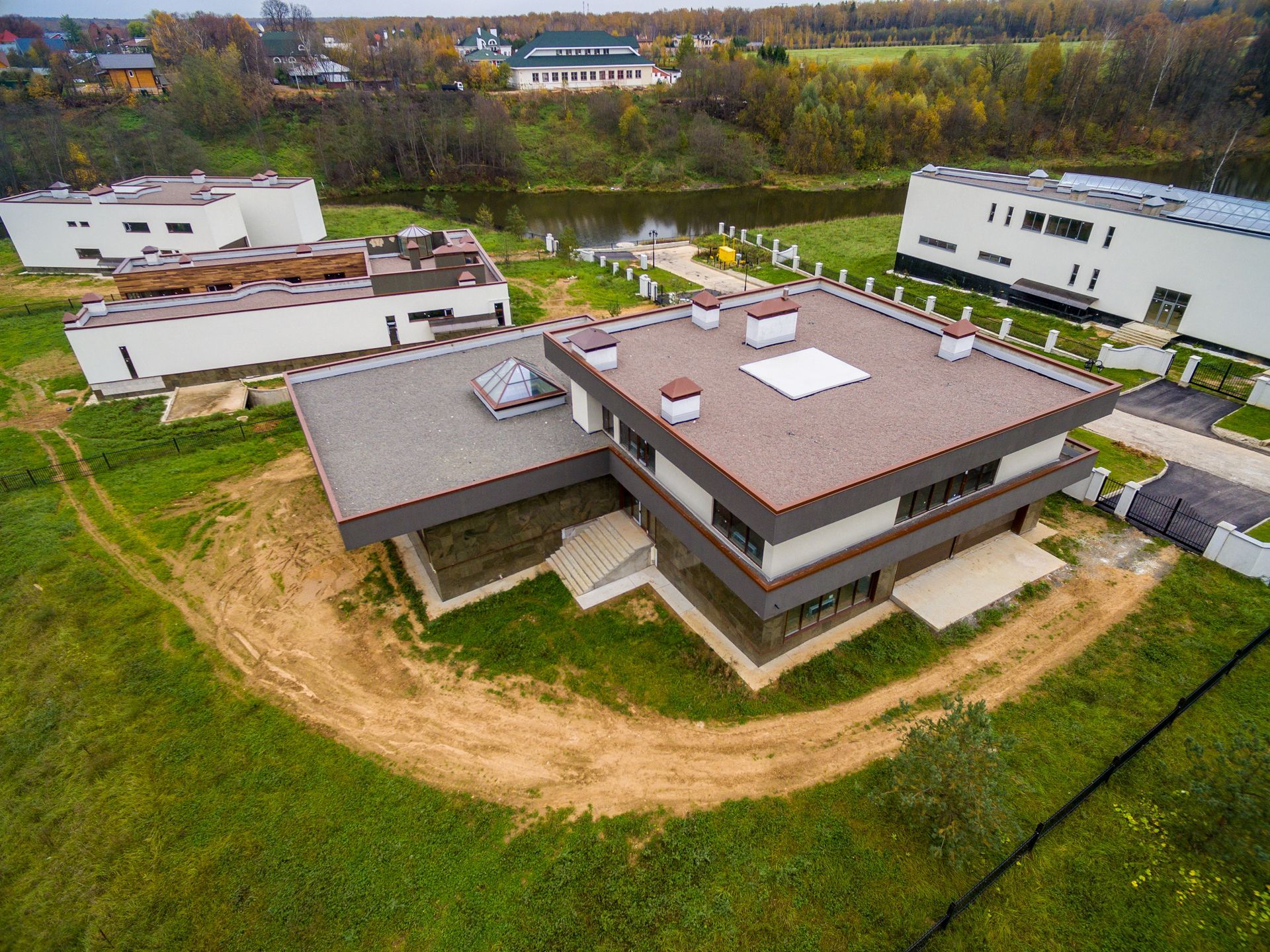
TPO is a common single-ply roofing option for flat and low-slope commercial roofs. It can be a strong fit for buildings that need a clean, efficient membrane system.
EPDM Roofing
EPDM is a rubber roofing membrane used on many flat and low-slope buildings. It can be a practical option depending on the building, slope, drainage, and project goals.
PVC Roofing
PVC roofing may be considered for certain commercial environments where membrane performance, seams, and exposure conditions need to be reviewed carefully.
Commercial Metal Roofing
Metal roofing can be used on commercial buildings with the right slope, structure, and project requirements.
Asphalt Shingle Roofing
Some commercial properties use steep-slope shingle systems. When appropriate, Love Roof Co. can review shingle replacement options for those roof sections.
Roof Coating Systems
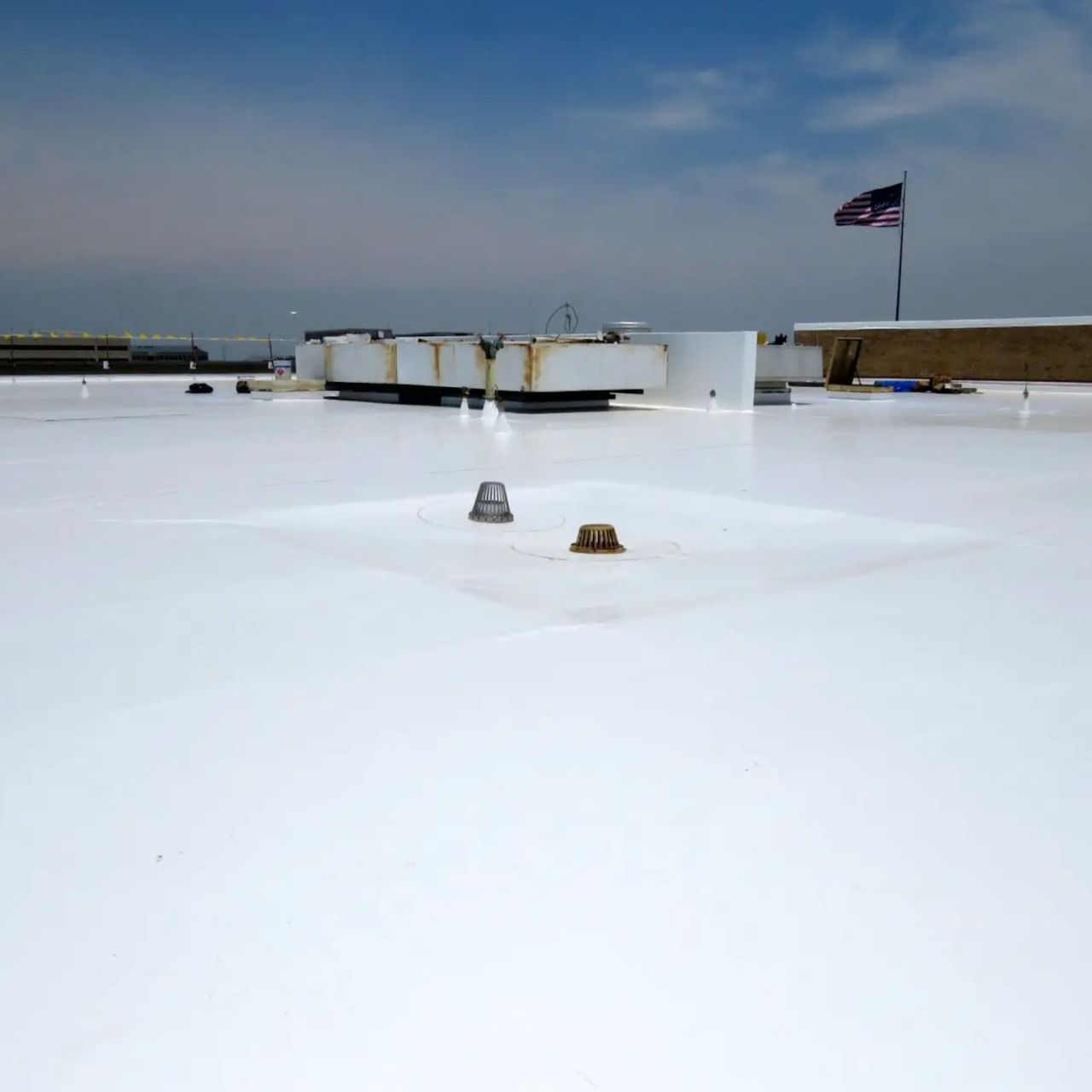
In some cases, a coating system may be an option when the roof is a candidate for restoration instead of full replacement. The existing roof condition determines whether coating is appropriate.
What Gets Reviewed Before Replacement
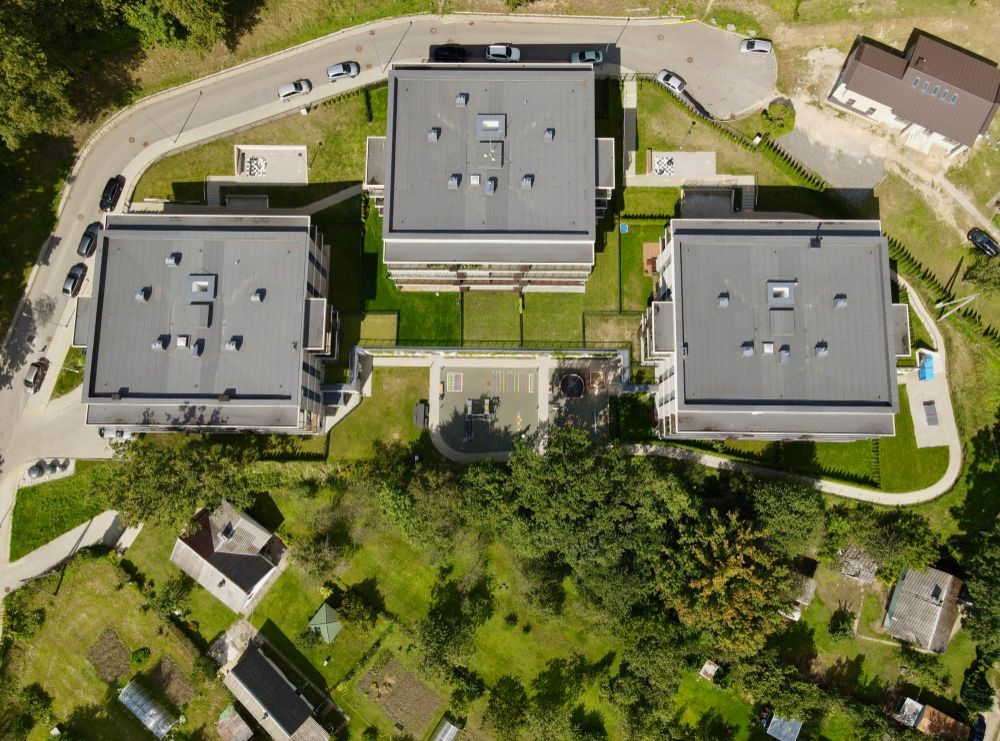
Existing Roof Condition
The current roof system needs to be inspected for wear, damage, saturation, seams, flashing, and prior repair history.
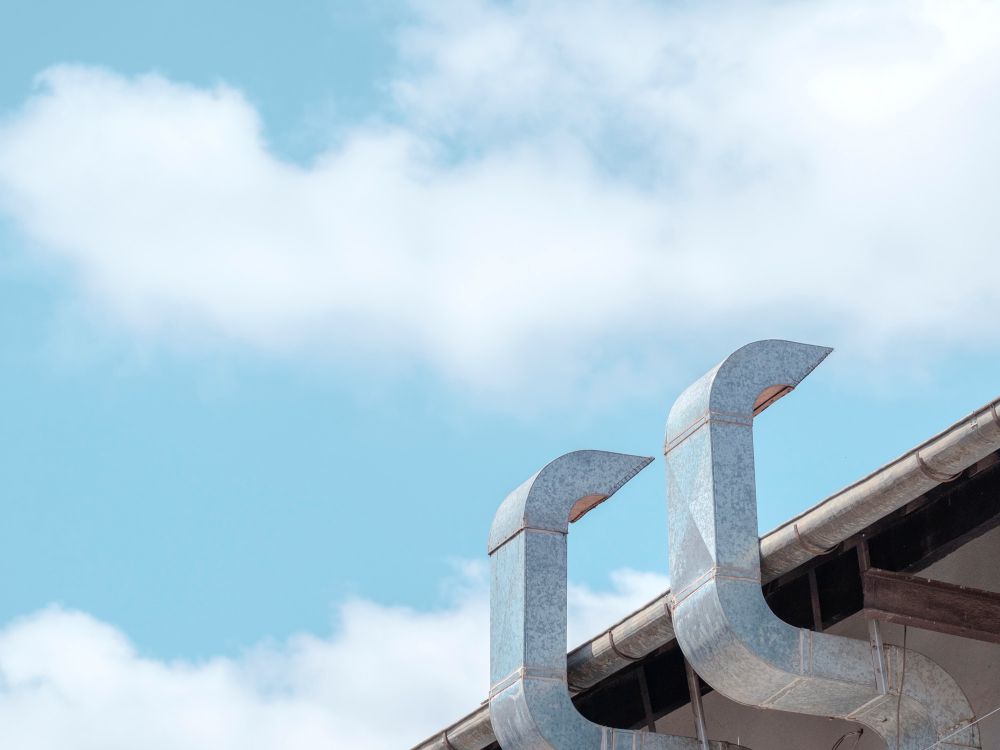
Drainage
Flat and low-slope roofs need proper drainage. Drains, scuppers, gutters, and ponding areas should be reviewed before replacement.
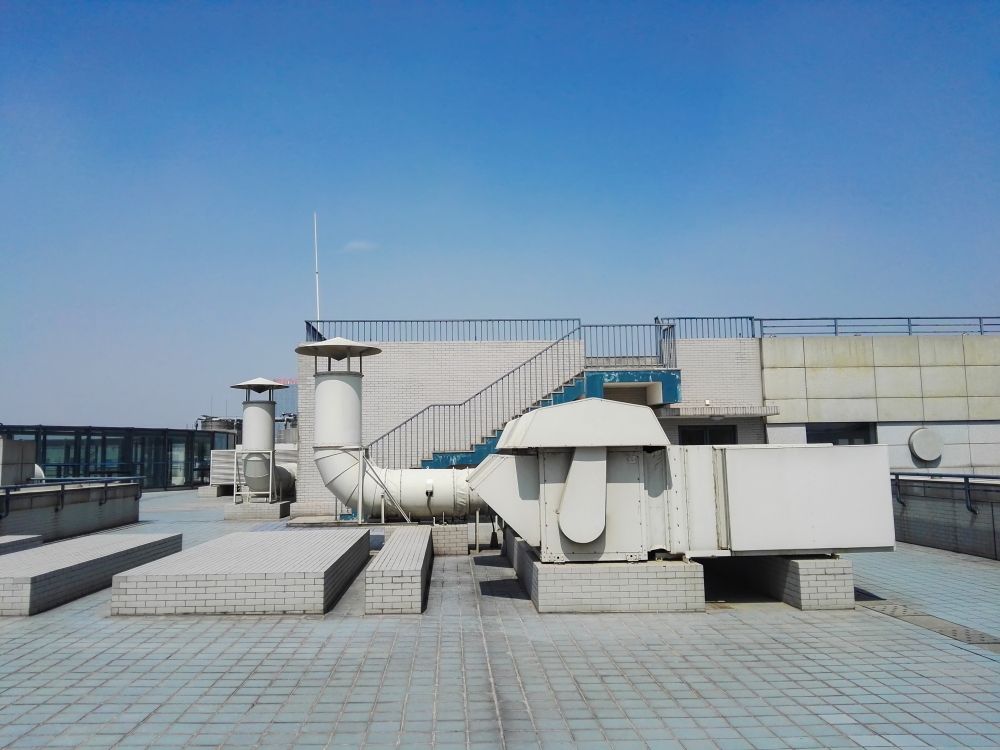
Rooftop Equipment
HVAC units, curbs, vents, pipes, and other penetrations are common leak points and need proper flashing.
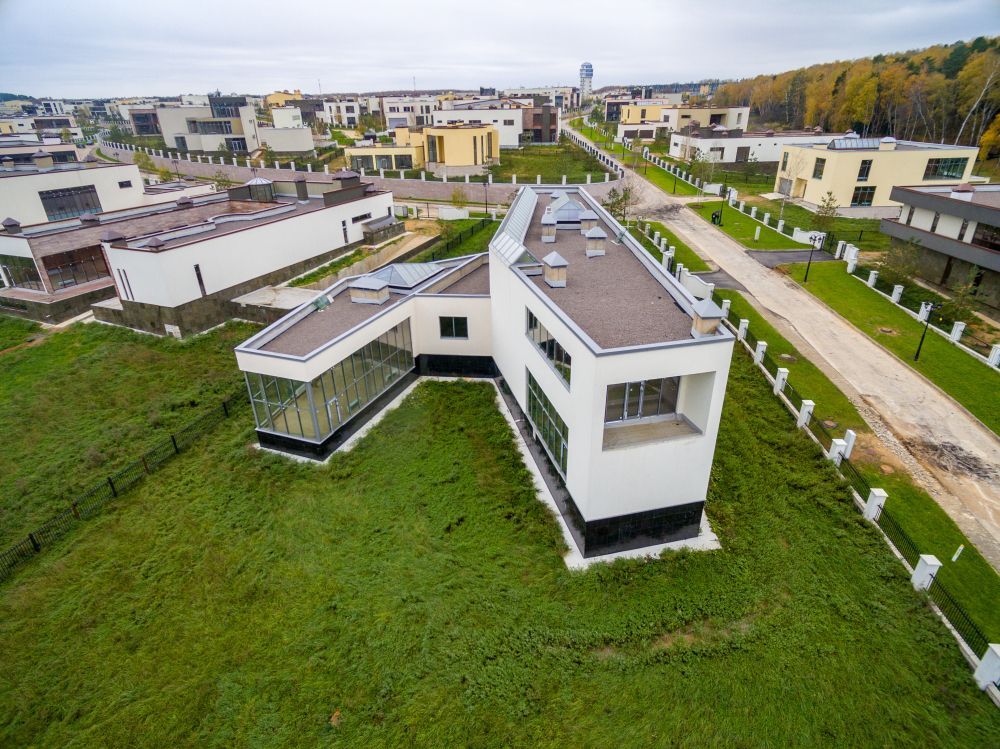
Insulation and Substrate
Wet insulation, soft areas, and substrate concerns can affect the replacement scope.
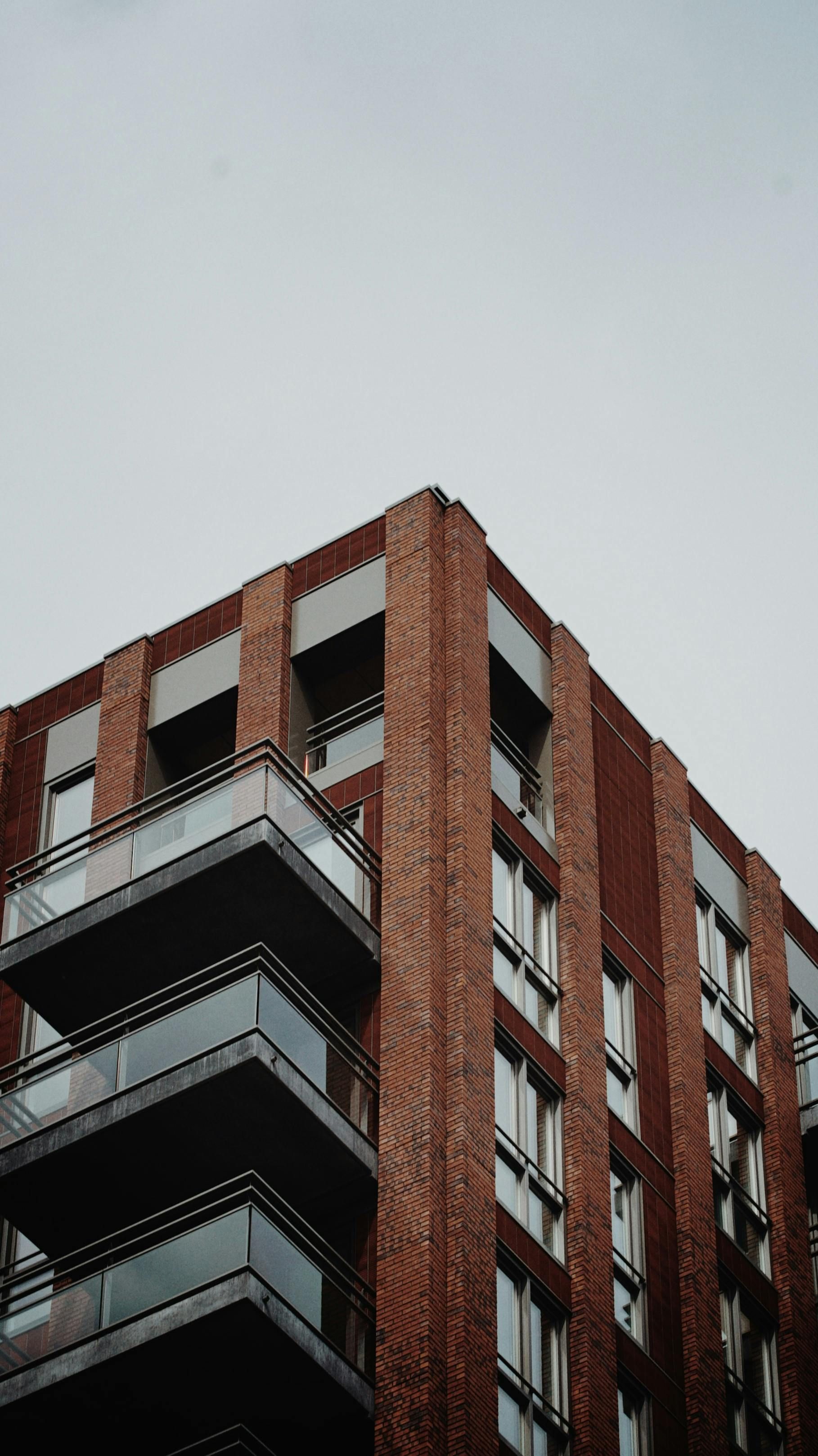
Building Use
The roof plan should consider how the property is used, including tenants, inventory, customers, equipment, and access limitations.
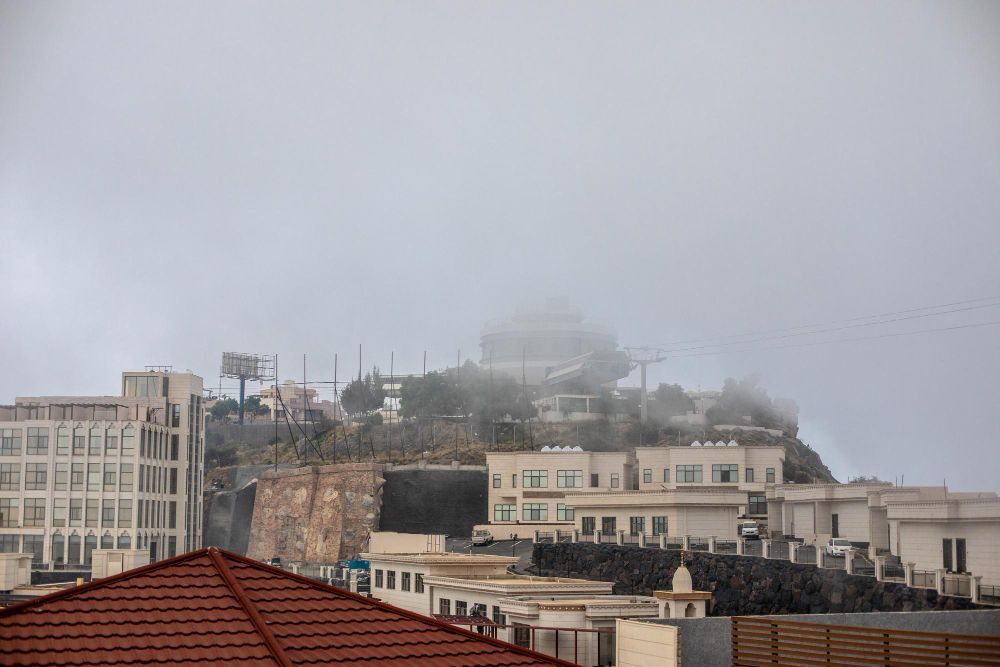
Storm Damage
If the roof has wind or hail damage, the condition should be documented before replacement planning.
Our Commercial Roof Replacement Process
Roof Inspection
We inspect the roof system, leak areas, drainage, penetrations, flashing, and visible damage.
Replacement Scope
We determine whether replacement is needed and what roof areas should be included.
Material Review
We review roofing system options based on building needs, slope, drainage, exposure, and budget.
Project Planning
We coordinate access, scheduling, safety considerations, and disruption concerns.
Roof Replacement
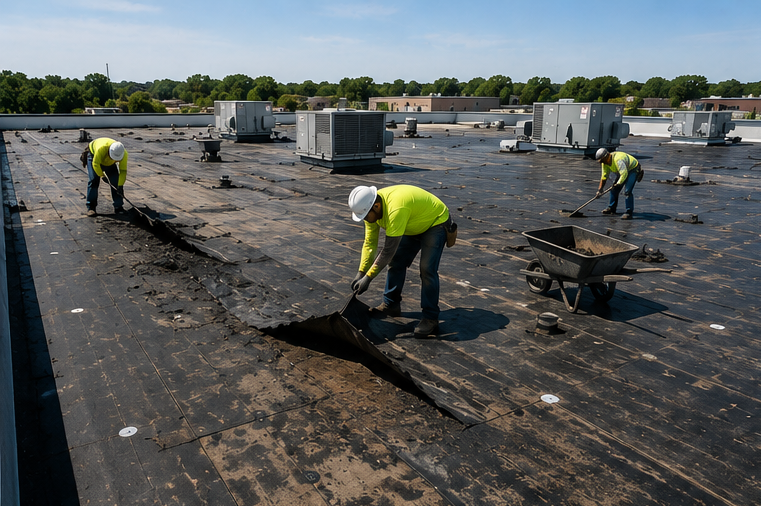
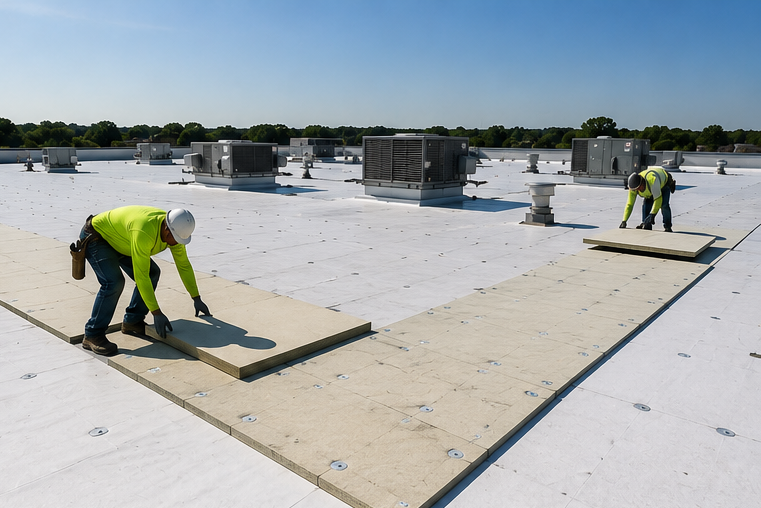
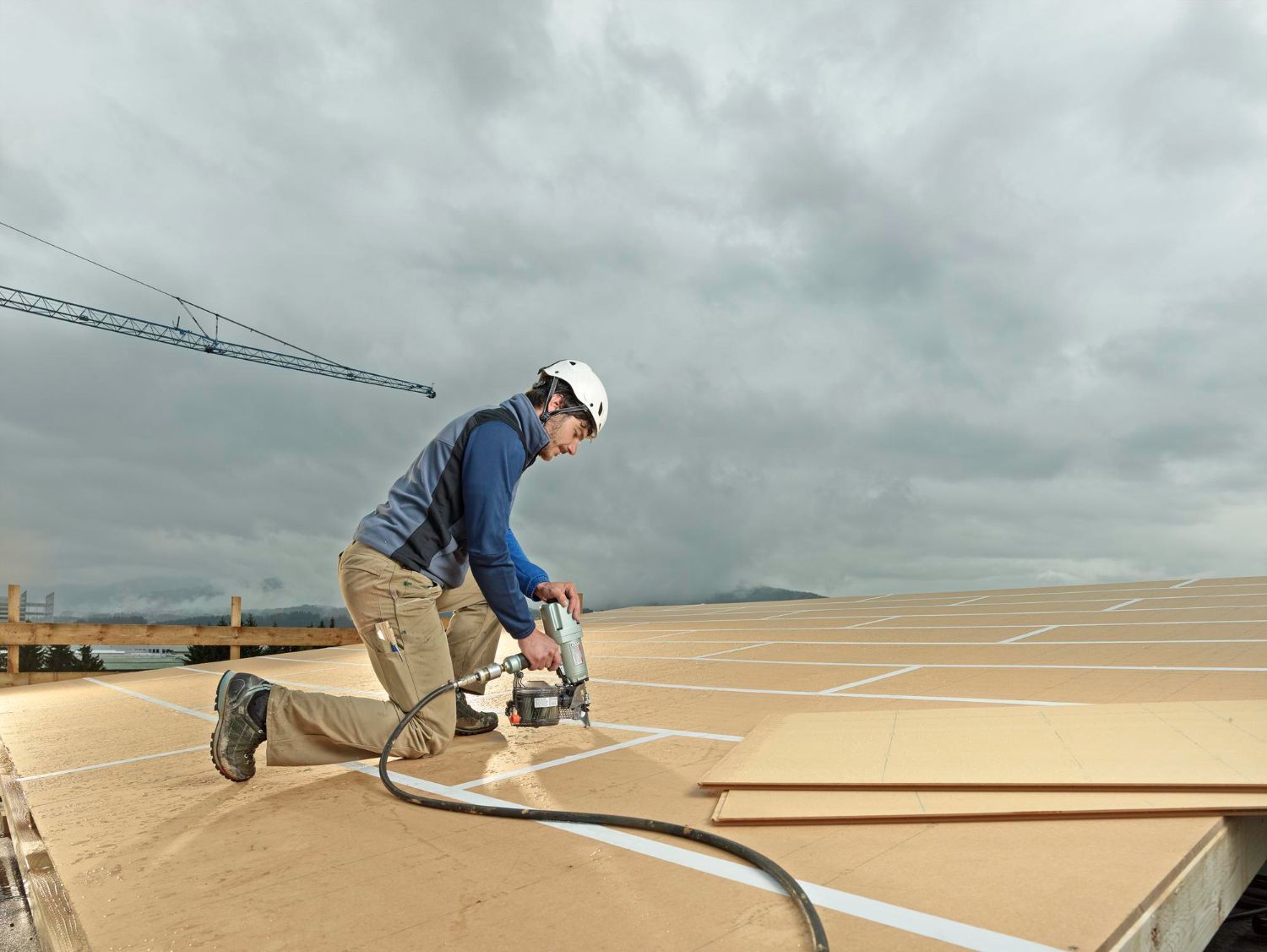
The old roof system is removed or prepared according to the approved scope, and the new system is installed.
Replace a Failing Commercial Roof Before It Disrupts the Building
If repairs are no longer keeping up, Love Roof Co. can inspect the roof and help determine whether replacement is the smarter long-term option.
Frequently Asked Questions
How do I know if my commercial roof needs replacement?
Replacement may be needed when leaks are repeated, membrane damage is widespread, insulation is saturated, seams are failing, or repairs are becoming frequent.
Can a commercial roof be coated instead of replaced?
Sometimes. A coating system may be an option if the existing roof is a good candidate. Roof condition, moisture, adhesion, drainage, and existing damage all matter.
What commercial roofing systems do you replace?
Love Roof Co. works with TPO, EPDM, PVC, silicone coating systems, metal, and asphalt shingle systems where applicable.
Will replacement disrupt business operations?
Some disruption may occur, but the project can be planned around access, building use, safety, and scheduling needs.
Do you replace commercial roofs after storm damage?
Yes. Storm-damaged commercial roofs can be inspected, documented, and reviewed for repair or replacement options.